What Is the Chain of Title?
The chain of title is the unbroken sequence of recorded documents showing who has held an interest in your property — and in your mortgage — over time. For a mortgage, it includes every assignment transferring the security instrument from one holder to the next, recorded in order in the public land records.
A clean chain of title is what allows a lender to prove it holds the right to enforce the loan and foreclose, and what allows you to sell or refinance without dispute. When links are missing, out of order, or defective, questions arise about who has the authority to act on your loan.
Common Title Inconsistencies
01Missing recorded assignments
A transfer of the mortgage interest that was never recorded, leaving a gap in the public chain.
02Breaks in the chain
An assignment refers to a prior holder, but the document connecting that holder to the one before it is absent.
03Out-of-order recordings
Assignments recorded years after their stated dates, sometimes after a foreclosure has already begun.
04Wrong party or names
Assignee or assignor names that do not match the preceding or following documents in the chain.
05Unreleased prior liens
Old mortgages or judgments that were paid but never released, clouding the title.
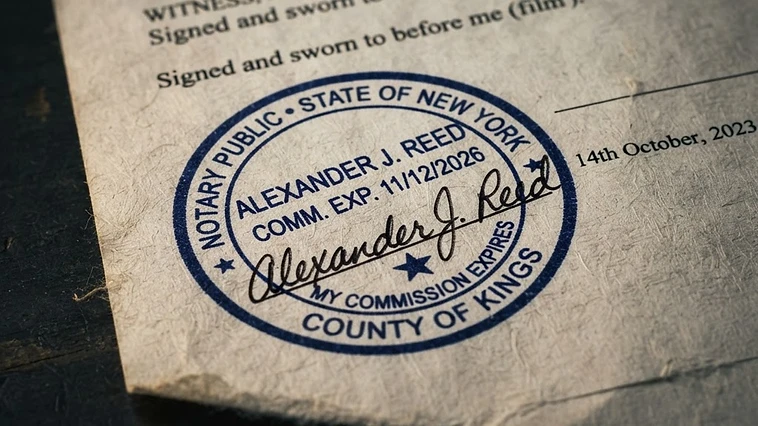
06Defective notarization
An assignment with a bad notary block may not be recordable or enforceable as written.
07Forged or backdated assignments
Signatures that are not authentic or dates set earlier than execution — defects that can be void or voidable.
08MERS vs. recorded chain
Loans tracked in the MERS registry that may not have every transfer reflected in local land records.
Why Title Inconsistencies Matter
For a current homeowner, a title inconsistency can delay or block a refinance, a sale, or a probate transfer, and can require a quiet-title action to resolve. For a homeowner in default, a gap in the chain can raise a question of standing — whether the party attempting to foreclose actually held the mortgage and the note at the time it needed to.
Courts treat these defects differently. Some are void — invalid from the start. Many are voidable, meaning valid unless challenged and set aside, often within a deadline. Whether a given defect matters depends on the facts, the state, and whether the homeowner was harmed. That is why identifying inconsistencies early — and documenting them precisely — is so valuable.

How to Check Your Chain of Title
01Order recorded documents
Pull the recorded mortgage, every assignment, releases, and any satisfaction from the county recorder or land records office.
02Map the chain
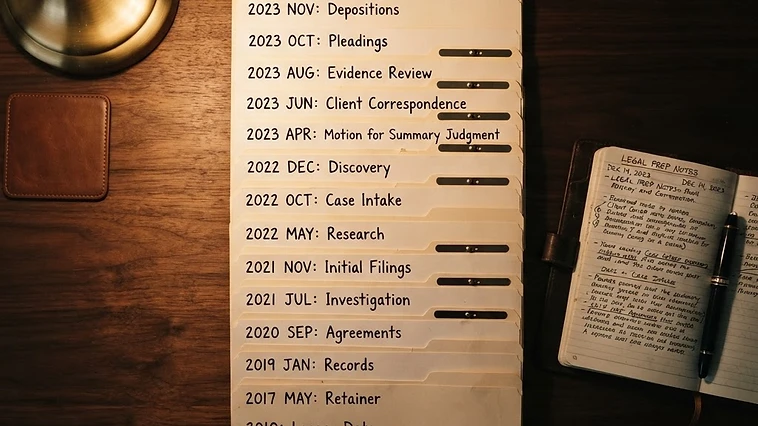
List each transfer in date order: who assigned to whom, on what date, and when it was recorded.
03Look for gaps
Confirm every link connects — if document B assigns from X to Y, the prior document must bring the interest to X.
04Check dates and recordings
Note any assignment recorded long after its date, or after a default or foreclosure began.
05Verify names and notarizations
Confirm assignor and assignee names match the surrounding chain, and that each notary block is complete.
06Search for unreleased liens
Check whether prior mortgages or judgments were properly released or satisfied.
Resolving Title Inconsistencies
Some inconsistencies are corrected by recording a missing or corrected assignment. Others may require a quiet-title action to clarify ownership, or a challenge to a foreclosure that proceeded without a complete chain. Each path depends on the specific defect and your state's law. The Foreclosure Defense Survival Playbook explains the chain of title, assignments, and standing in plain language so you can identify gaps, document them, and know when to seek qualified help.
Keep Reading
Related Resources


Order The Playbook
Get the Foreclosure Defense Survival Playbook
530 pages of structured, educational guidance covering mortgage documents, foreclosure procedures, evidence organization, and legal research — the same foundation this page draws from.