What Counts as a Mortgage Document Error?
A mortgage document error is any mistake, inconsistency, or omission in the paperwork connected to your home loan — the note, the mortgage or deed of trust, assignments, allonges, notarizations, and recorded records. Errors range from harmless typos to defects that can raise real questions about who holds the loan and whether a foreclosure can proceed.
It is important to understand that an error does not automatically invalidate a document or prove fraud. Many defects are treated as voidable rather than void, and some are cured by later recordings. The value of reviewing for errors is to identify questions early — while you still have time to investigate them.
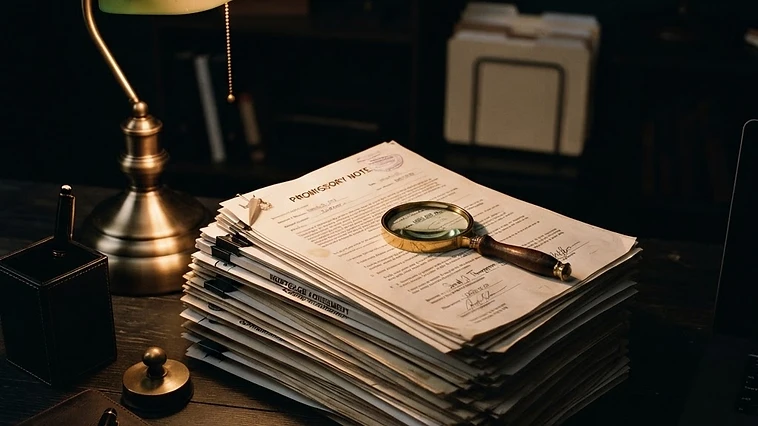
Common Types of Mortgage Document Errors
01Missing or blank signatures
Pages that should be signed are left blank, or a party's signature is absent where one is expected.
02Inconsistent dates
A notarization dated before the signing, or dates that conflict across related documents.
03Notary defects
Wrong venue, expired commission, missing seal, or acknowledgment language that does not match the signing.
04Name mismatches
Borrower, lender, or assignee names spelled differently across the note, mortgage, and assignments.
05Missing assignments
Gaps in the recorded chain showing who transferred the mortgage interest and when.
06Backdated or altered documents
Pages that appear to have been dated out of order or modified after execution.
07Missing endorsements
The promissory note lacks endorsements or an allonge that should accompany a transfer.
08Wrong legal description
Property legal descriptions or parcel numbers that do not match the deed or title records.
09Incorrect loan amounts or terms
Principal, interest rate, or payment terms that conflict between the note and other documents.
10Missing or late-recorded documents
Records that were never recorded, or recorded years after their stated execution date.
Why Document Errors Matter
Errors can matter at three moments: during a refinance or sale, during a servicing dispute, and during a foreclosure. A gap in the chain of title can delay a refinance. A notary defect can surface during a title search. And an assignment problem can become a question of standing — whether the party foreclosing has the right to do so.
Even when you are current on payments, catching errors now — while there is no deadline — is far easier than discovering them under pressure. Some defects have deadlines for raising them in court, and missing those deadlines can forfeit a defense.

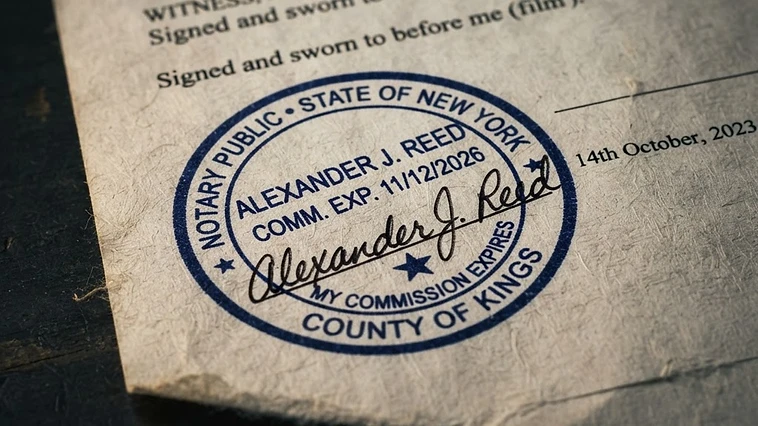
How to Check Your Mortgage Documents for Errors
01Gather the full file
Collect the note, mortgage or deed of trust, every assignment, allonges, closing disclosure, and title commitment in one place.
02Verify every signature
Confirm each required party signed, and compare signatures across documents for consistency.
03Check notary blocks
Match the venue, date, commission expiration, and acknowledgment language to the signing.
04Trace the chain of title
Order recorded documents from the county and confirm every transfer of the mortgage interest was recorded.
05Compare names and dates
Cross-check borrower, lender, and assignee names, and confirm dates are consistent across related documents.
06Document each question
Keep a running list of every inconsistency with the document name, page, and the specific detail that does not line up.
What to Do If You Find an Error
If you identify an error, do not assume the worst and do not ignore it. Note it precisely, keep original and certified-record copies, and consider whether it affects a transaction or a deadline. Some errors can be corrected by a recorded amendment; others may need qualified legal review. The Foreclosure Defense Survival Playbook walks through each document type and the specific details worth examining, so you can ask better, more informed questions.
Keep Reading
Related Resources

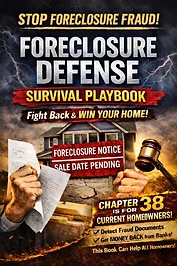
Order The Playbook
Get the Foreclosure Defense Survival Playbook
530 pages of structured, educational guidance covering mortgage documents, foreclosure procedures, evidence organization, and legal research — the same foundation this page draws from.