What This Resource Helps You Do
01Understand the paper trail
02Organize evidence before deadlines
03Ask better, more informed questions
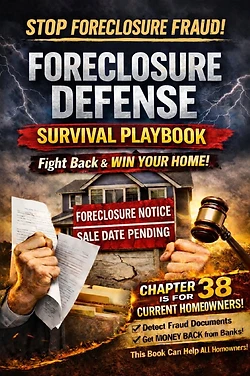
The Cover
Foreclosure Defense Survival Playbook
530 pages of structured, educational guidance covering mortgage documents, foreclosure procedures, evidence organization, legal research, and preparation — designed to help every homeowner ask better questions and keep better records.
What's Inside the 530-Page Playbook
The Foreclosure Defense Survival Playbook is a comprehensive educational guide written for homeowners who want to understand their mortgage paperwork, the foreclosure process, and how to organize information before a dispute creates pressure. It is not a substitute for legal representation — it is a foundational reference that helps you ask better questions, keep better records, and work more effectively with qualified professionals.
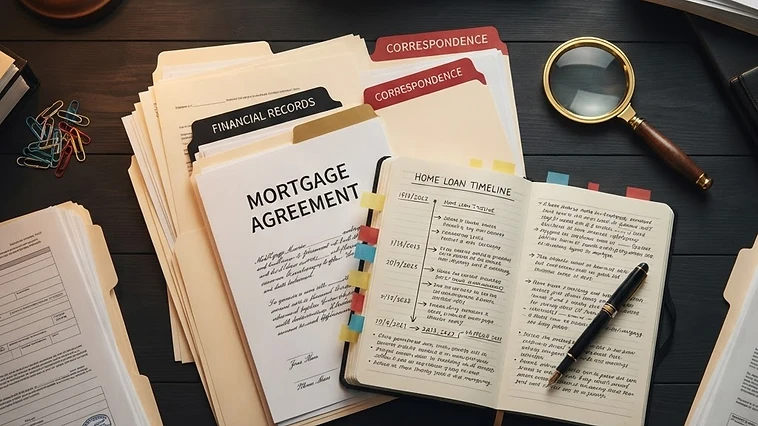
The book walks through the full paper trail connected to a home loan: the promissory note, the security instrument, assignments, endorsements, servicing records, payment histories, default notices, and recorded documents. It explains what each document does, what to look for, and why careful review matters — long before a crisis forces the issue.


How the Book Is Organized
Each chapter builds on the last, moving from foundational concepts to detailed examination techniques and procedural preparation:
01Understanding the Foreclosure Process
How foreclosure generally works, the stages, and why procedures vary by jurisdiction and loan type.
02Mortgage Documents & the Promissory Note
What the note and security instrument do, and what details deserve careful review.
03Assignments, Standing & Ownership
How interests in a loan may transfer and why the chain of records matters.
04Servicing Records & Payment Histories
Tracking who collected payments, when transfers occurred, and what notices were sent.
05Evidence Organization & Discovery
Building a complete, dated file and understanding formal information-gathering tools.
06Public Records & Document Examination
Comparing land records with your own copies and spotting inconsistencies.
07Handwriting, Signatures & Notarizations
What to examine when reviewing signatures, notary details, and acknowledgment language.
08Motions, Summary Judgment & Appeals
An educational overview of common procedural steps and how preparation supports your position.
09Case Law, Exhibits & Timelines
How to research authorities, organize exhibits, and build a clear chronological timeline.
10Technology & AI-Assisted Research
Using modern tools responsibly while verifying every result.

Who This Book Is For
This playbook is written for two audiences — and if you have a mortgage, you likely fall into one of them:
01Homeowners current on their mortgage
You have time on your side. Reviewing records before a sale, refinance, servicing transfer, title issue, or payment dispute gives you the advantage of preparation over reaction.
02Homeowners facing foreclosure
You need to understand notices, procedures, and deadlines quickly. The book helps you organize your file and prepare informed questions for qualified legal help.
03Pro se litigants
Self-represented readers will find practical methods for organizing a case file, researching rules and authorities, and separating facts from arguments.
04Anyone who has never read their own mortgage file
Most homeowners sign these documents at closing and never look again. The book explains why that habit carries hidden risk.

How to Use This Book
The playbook is designed to be read cover-to-cover for a complete foundation, or used as a reference you return to as specific questions arise. Start with the chapters that match your situation, then expand outward. Keep your own documents beside you as you read — the concepts become far more concrete when applied to your actual paperwork.
Throughout the book, you'll find checklists, worked examples, and prompts that help you apply each concept to your own records. An inconsistency you identify does not automatically mean a document is invalid or fraudulent — legal conclusions always depend on the specific facts, governing law, procedure, and evidence. The goal is informed review, not assumption.
An Inconsistency Is Not a Conclusion
One of the most important lessons in the book is restraint. Finding a mismatched name, an unexpected date, or a missing endorsement is a signal worth investigating — not proof of wrongdoing. The playbook teaches you how to document questions carefully, compare records methodically, and recognize which issues may warrant further research or professional review.
Get Foreclosure Defense Updates
Educational updates on mortgage documents, homeowner resources, pro se research, and new tools.