What This Resource Helps You Do
01Locate the note and security instrument
02Compare assignments and recorded records
03Review servicing, payment, escrow, and notice histories
Why Review Your Mortgage Documents Now
Most homeowners sign a towering stack of documents at closing and never look at them again. Years later, when a refinance, sale, servicing dispute, title issue, or foreclosure forces the question, those documents have often been moved, lost, or forgotten — and the time available to review them carefully has disappeared.
Reviewing your mortgage file before there is a crisis gives you something people in foreclosure often wish they had: time. Time to locate missing pages, compare recorded records against your copies, identify inconsistencies, and research questions while the stakes are still low. A careful, methodical review is one of the most valuable steps any homeowner can take.
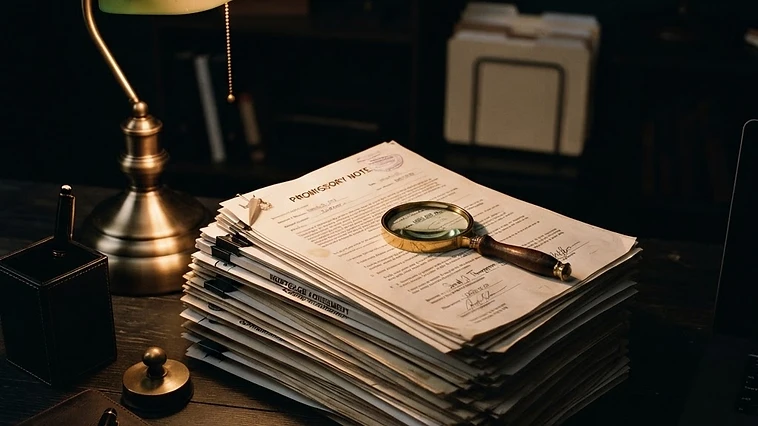
The Documents Every Homeowner Should Examine
A complete mortgage file is more than just the note and the monthly statement. The list below covers the records most worth locating, organizing, and reviewing — even if you are not in any dispute today.
01The Note
The written promise to repay; review parties, terms, signatures, and endorsements.
02Mortgage / Deed of Trust
The security instrument connecting the debt to the property.
03Assignments
Records that may reflect transfers of an interest in the security instrument.
04Allonges
Separate pages sometimes used for endorsements associated with a note.
05Endorsements
Signatures or stamps that may relate to transfer of the note.
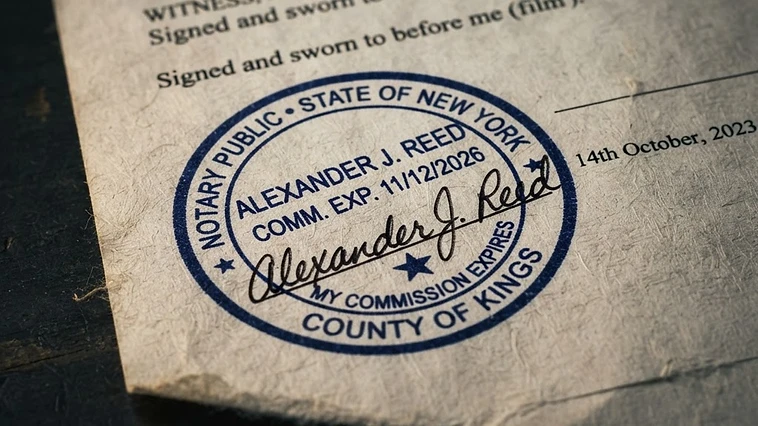
06Notarizations
Review the notary, venue, date, seal, and acknowledgment language.
07Servicing Records
Track who collected payments, when transfers occurred, and what notices were sent.
08Payment History
Compare posted payments, fees, suspense accounts, escrow, and stated balances.
09Default Notices
Review dates, amounts, cure information, recipients, and required steps.
10Foreclosure Notices
Deadlines and procedures vary; examine every notice promptly.
11Corporate Signatures
Identify the signer, stated title, company, date, and document context.
12Recorded Documents
Compare public land records with the copies in your own file.
13Loan Modifications
Keep proposals, signed agreements, trial plans, and payment records together.
14Escrow Records
Review taxes, insurance, analyses, shortages, surpluses, and adjustments.
15Title Records
Look at liens, releases, legal descriptions, ownership, and recording history.
Signals Worth Investigating
During review, you may notice details that do not seem to line up. None of these signals automatically means a document is invalid or fraudulent — but each one is worth documenting and investigating further. The goal is to identify questions, not to jump to conclusions.

A Step-by-Step Review Process
You do not need a legal background to begin a careful review. A simple, repeatable process helps you stay organized and avoid missing important details:
01Gather everything in one place
Collect every document connected to your loan — closing paperwork, recorded records, statements, notices, and correspondence — and organize it chronologically.
02Identify each document's role
Understand what each record does: the note is the promise to pay, the mortgage secures the property, assignments reflect transfers of interest, and so on.
03Compare names and parties
Check that the names, signatures, titles, and dates are consistent across related documents and match the records you hold.
04Check the recording chain
Compare your copies against public land records to confirm dates, parties, and that releases and assignments were properly recorded.
05Review servicing and payment history
Trace who collected your payments, when the loan was transferred, what fees were charged, and whether the balances are consistent.
06Document every question
Keep a running list of anything that seems inconsistent, missing, or unclear — with the document name and the specific detail.

How to Organize Your File
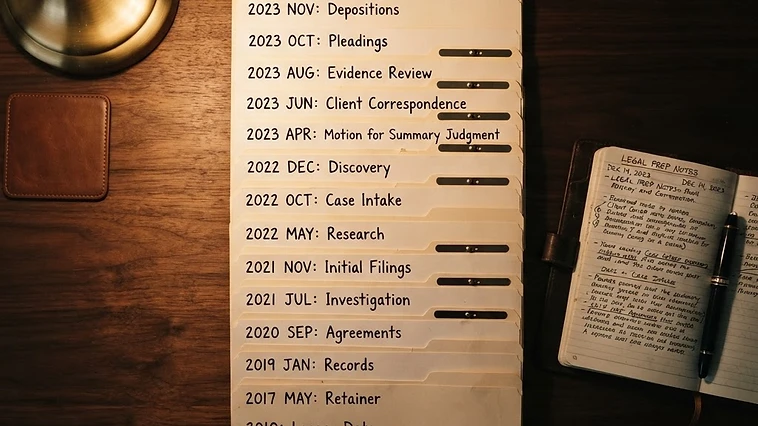
A well-organized file is its own form of protection. Store originals safely, keep digital copies backed up, and maintain a single chronological timeline that connects every document, payment, notice, and conversation to a date. If a question ever does require professional review, a clean, complete file makes that review faster and far more effective.
Remember: an inconsistency is a signal to investigate, not a conclusion. Legal outcomes depend on the specific facts, governing law, procedure, and evidence. The value of review is in asking better, more informed questions — and in catching issues while there is still time to address them.

Order The Playbook
Get the Foreclosure Defense Survival Playbook
530 pages of structured, educational guidance covering mortgage documents, foreclosure procedures, evidence organization, and legal research — the same foundation this page draws from.