Foreclosure Defense
Defending Your Home: Recent CFPB Servicing Rules and Foreclosure Defense Strategies
Discover how recent CFPB proposed rules impact mortgage servicing and learn essential strategies to protect your home from foreclosure abuses.
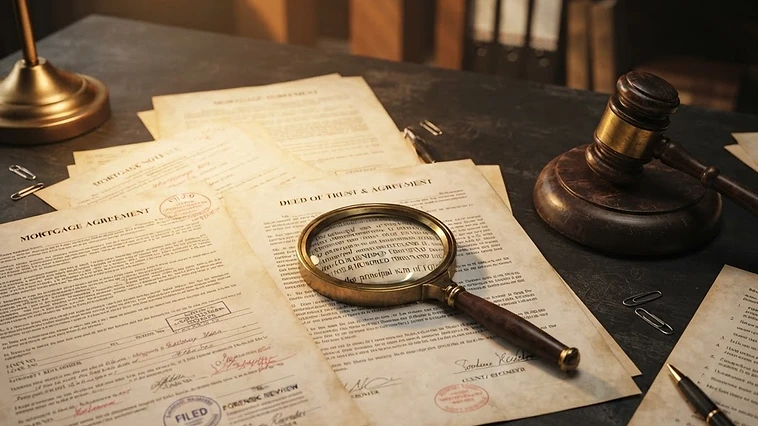
Disclaimer: The following article is for educational purposes only and does not constitute legal advice. If you are facing foreclosure, consult with a qualified attorney in your jurisdiction.
The Recent Spike in Foreclosures and What It Means for You
Across the United States, homeowners are facing a renewed wave of financial distress. Recent data indicates that foreclosure inventory has risen to a six-year high, with spiking local foreclosures signaling new credit risks in various housing markets. As pandemic-era relief programs come to an end, many families find themselves struggling to keep up with their monthly mortgage payments. This rise in foreclosures is not just a statistic; it represents real families facing the terrifying prospect of losing their homes.
When you fall behind on your mortgage, the sheer volume of letters, notices, and legal documents can be overwhelming. However, understanding the landscape of foreclosure defense is your first and most crucial step toward protecting your property. The recent uptick in foreclosure activity has also brought renewed scrutiny to the practices of mortgage servicers, banks, and foreclosure law firms. By educating yourself on recent regulatory changes and common servicing abuses, you can better navigate the complex foreclosure process and assert your rights as a homeowner.
New CFPB Mortgage Servicing Rules: Streamlining Loss Mitigation
In response to the growing number of homeowners experiencing payment difficulties, the Consumer Financial Protection Bureau (CFPB) recently issued a proposed rule to amend mortgage servicing regulations under the Real Estate Settlement Procedures Act (RESPA) and Regulation X. Announced on July 10, 2024, this proposed rule aims to streamline the loss mitigation process, making it easier for borrowers to access alternatives to foreclosure, such as loan modifications, forbearance, or repayment plans.
Under the current framework, mortgage servicers are required to follow strict procedures when a borrower requests loss mitigation. However, the process is often bogged down by bureaucratic red tape, lost documents, and confusing communication. The CFPB's proposed amendments seek to reduce these hurdles, ensuring that servicers evaluate borrowers for all available options promptly and fairly. For homeowners in default, these rules are a critical shield. If a servicer fails to comply with RESPA or Regulation X—for example, by proceeding with a foreclosure sale while a complete loss mitigation application is pending (a practice known as "dual tracking")—the homeowner may have strong grounds to challenge the foreclosure.
Spotting Mortgage Servicing Abuses and Fraud
Despite strict federal regulations, mortgage servicing abuses remain a significant issue in the foreclosure industry. Homeowners must be vigilant in reviewing their mortgage statements, notices of default, and any legal filings made by their lender or servicer. One of the most notorious abuses is "robo-signing," a practice where bank employees or third-party contractors sign thousands of foreclosure documents without verifying the accuracy of the information or possessing the legal authority to do so. While robo-signing scandals peaked a decade ago, variations of this practice and sloppy record-keeping still plague the industry today.
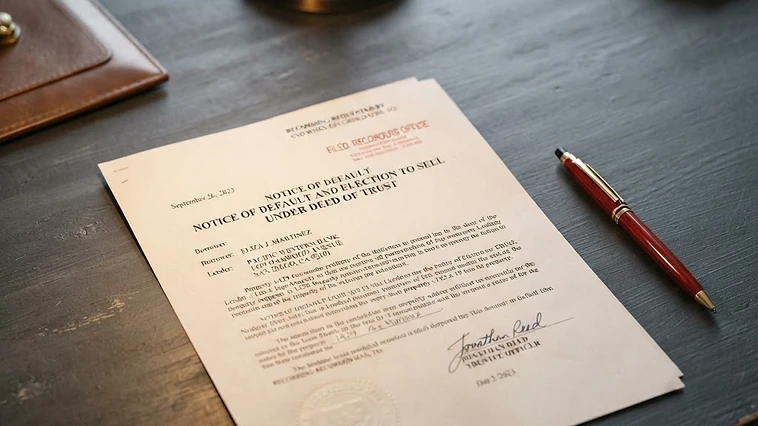 Close-up of a Notice of Default document on a dark desk with a red pen.

Another common issue is the misapplication of payments and the charging of phantom fees. Servicers may improperly apply your monthly payment to late fees or default-related charges before applying it to the principal and interest, pushing your account further into default. Additionally, the chain of title and assignments of the mortgage are frequently flawed. During the securitization boom, mortgages were bought and sold multiple times, often without the proper legal documentation (assignments) being recorded. If the entity attempting to foreclose on your home cannot prove that it legally owns your debt, it may lack the "standing" required to initiate foreclosure proceedings.
Understanding the Foreclosure Process: Nonjudicial vs. Judicial
The foreclosure process varies significantly depending on the state in which you live. Generally, foreclosures fall into two categories: judicial and nonjudicial. Understanding which process applies to your situation is vital for mounting an effective defense.
In a judicial foreclosure state, the lender must file a lawsuit in court to foreclose on your home. You will receive a summons and complaint, and you will have a specific number of days to file a formal answer. This process provides a built-in opportunity to present your defenses, demand discovery, and force the lender to prove its case before a judge.
In a nonjudicial foreclosure state, the process is handled outside of court, typically by a third-party trustee. The process begins with a Notice of Default, followed by a Notice of Sale. Because there is no automatic court oversight, homeowners in nonjudicial states must take proactive legal action—such as filing a lawsuit and requesting an injunction—to stop the foreclosure sale and raise their defenses. Regardless of the process, federal law generally prohibits a servicer from initiating foreclosure until the borrower is more than 120 days delinquent, giving you a crucial window to seek loss mitigation or prepare your defense.
Defenses to Foreclosure: Standing, Errors, and Evidence
When fighting a foreclosure, homeowners can raise both procedural and substantive defenses. Procedural defenses often revolve around the lender's failure to follow the strict legal requirements for foreclosure. For example, did the lender send the required pre-foreclosure notices? Did they provide a single point of contact as required by federal law? Did they wait the mandatory 120 days before initiating the process?
Substantive defenses attack the underlying validity of the foreclosure itself. The most common substantive defense is a lack of standing. If the foreclosing party cannot produce the original promissory note, or if the chain of assignments is broken or fraudulent, they may not have the legal right to take your home. Other substantive defenses include proving that the servicer made significant accounting errors, violated the Truth in Lending Act (TILA), or engaged in unfair and deceptive practices. Successfully raising these defenses requires meticulous evidence organization, a deep understanding of mortgage documents, and thorough legal research.
Why the Foreclosure Defense Survival Playbook Helps
Navigating the treacherous waters of foreclosure defense requires knowledge, preparation, and the right tools. This is exactly why the "Foreclosure Defense Survival Playbook" is an indispensable resource for homeowners fighting to save their properties. This comprehensive 530-page educational guide breaks down complex legal concepts into plain, understandable language.
The Playbook empowers you to decode confusing mortgage documents, spot servicing abuses like robo-signing and phantom fees, and understand the intricate procedures of both judicial and nonjudicial foreclosures. It provides step-by-step guidance on how to organize your evidence, conduct effective legal research, and hold your mortgage servicer accountable under federal laws like RESPA and Regulation X. Don't face the banks and their high-powered law firms unarmed. Order the Foreclosure Defense Survival Playbook today and take the first step toward taking back control of your home and your financial future.


Order The Playbook
Get the Foreclosure Defense Survival Playbook
530 pages of structured, educational guidance covering mortgage documents, foreclosure procedures, evidence organization, and legal research — the same foundation this article draws from.