Foreclosure Defense
Recent CFPB Enforcement Actions Expose Ongoing Mortgage Servicing Abuses: What Homeowners Need to Know
Recent enforcement actions by the CFPB highlight ongoing mortgage servicing abuses, including improper foreclosure practices and deceptive conduct. Learn how to identify these violations and protect your rights.
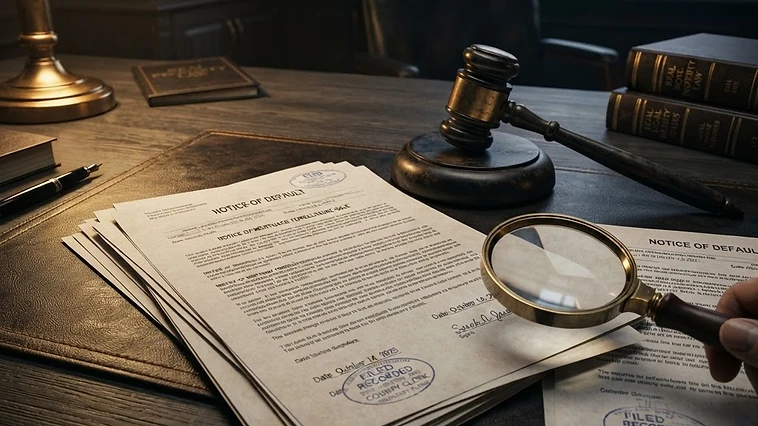
Disclaimer: The following article is for educational purposes only and does not constitute legal advice. If you are facing foreclosure, please consult with a qualified attorney in your jurisdiction.
When you fall behind on your mortgage payments, the sheer volume of letters, notices, and legal documents can feel overwhelming. Many homeowners assume that the bank holds all the cards and that the foreclosure process is an unstoppable machine. However, recent enforcement actions by the Consumer Financial Protection Bureau (CFPB) and ongoing court battles across the country reveal a different reality: mortgage servicers frequently make critical errors, violate federal regulations, and engage in deceptive practices.
In late August and September 2024, the CFPB issued multiple consent orders against mortgage lenders and servicers for improper foreclosure practices and deceptive conduct. These actions serve as a stark reminder that homeowners have rights and that fighting back is not only possible but often necessary. This article explores these recent developments, explains the illegal practice of dual tracking, and provides actionable, educational information on how to organize your defense.
The Reality of Mortgage Servicing Abuses Today
Mortgage servicing is a massive, automated industry. Servicers are responsible for collecting your payments, managing your escrow account, and, if you fall behind, initiating foreclosure proceedings. Unfortunately, the systems they use are often flawed, and the personnel managing them are frequently overwhelmed or improperly trained.
Recent news highlights just how pervasive these issues remain. On August 21, 2024, the CFPB announced a consent order with a Florida-based mortgage servicer, resolving allegations that the company's foreclosure practices violated the Consumer Financial Protection Act (CFPA). Shortly after, on August 29, 2024, the Bureau issued an order against NewDay USA, a nonbank direct mortgage lender, regarding deceptive conduct toward veterans and servicemembers. Furthermore, on September 11, 2024, the CFPB issued an order against TD Bank, N.A., further underscoring the regulatory scrutiny facing major financial institutions.
These enforcement actions are not isolated incidents. They represent a systemic problem within the mortgage servicing industry. When servicers cut corners, homeowners suffer. Documents are lost, payments are misapplied, and foreclosure proceedings are initiated illegally. Understanding that your servicer is capable of—and frequently commits—these errors is the first step in building a robust foreclosure defense.
Understanding Dual Tracking and Your Rights
One of the most egregious and common abuses in the mortgage servicing industry is a practice known as "dual tracking." Dual tracking occurs when a mortgage servicer continues to move forward with foreclosure proceedings while simultaneously reviewing a homeowner's application for a loan modification or other loss mitigation option.
Federal law strictly prohibits this practice. Under the Real Estate Settlement Procedures Act (RESPA), specifically 12 CFR § 1024.41, servicers are barred from initiating or advancing the foreclosure process if a borrower has submitted a complete loss mitigation application. The regulation is designed to ensure that borrowers have a fair and genuine opportunity to pursue alternatives to foreclosure without the looming threat of losing their home.
Despite these clear federal protections, dual tracking remains a significant issue. Recent court filings, such as the petition to the U.S. Supreme Court in the case of Reese v. Select Portfolio Servicing (SPS), highlight the ongoing legal battles surrounding this practice. In that case, allegations of dual tracking and violations of the California Homeowner Bill of Rights (HBOR) were central to the dispute. When servicers violate these rules, their non-compliance can lead to CFPB enforcement actions, borrower lawsuits, and powerful defenses in foreclosure proceedings.
 Homeowner carefully reviewing and organizing mortgage documents and bank statements on a dark desk with warm lighting.

How Recent CFPB Enforcement Actions Impact Homeowners
When the CFPB enters into a consent order with a mortgage servicer, it is essentially a formal agreement where the servicer agrees to stop certain illegal practices, pay fines, and often provide restitution to harmed consumers. But how does this impact you, the homeowner currently facing foreclosure?
First, these enforcement actions provide a roadmap of the specific abuses currently occurring in the industry. If a major servicer was just fined for failing to properly process loan modification applications or for charging illegal fees, there is a high probability that they—or other servicers—are making the same "mistakes" on your account.
Second, these actions validate the defenses raised by homeowners in court. When a homeowner alleges that a servicer engaged in deceptive practices, judges are increasingly aware that these allegations are not just desperate delay tactics, but documented realities backed by federal regulatory findings.
Finally, understanding these enforcement trends allows you to scrutinize your own mortgage documents more effectively. If you know that the CFPB is cracking down on improper foreclosure notices, you can meticulously review every notice you receive to ensure it complies with federal and state laws.
Recognizing Deceptive Conduct in Foreclosure Proceedings
To effectively defend your home, you must learn to recognize the signs of deceptive conduct and servicing errors. Foreclosure defense is largely about holding the bank to the strict letter of the law. Here are several key areas where servicers frequently fail:
-
Improper Notice of Default: Most mortgages and state laws require the servicer to send a specific Notice of Default before accelerating the loan and initiating foreclosure. This notice must contain exact language, state the precise amount required to cure the default, and provide a specific timeframe (usually 30 days). Servicers often send defective notices that fail to meet these strict contractual and statutory requirements.
-
Missing or Fraudulent Assignments: In a foreclosure, the party bringing the lawsuit must prove they have the legal standing to do so. This means they must show a clear chain of title for the mortgage and the promissory note. During the housing crisis, the industry became infamous for "robo-signing"—the practice of mass-producing fraudulent assignments of mortgage. While less blatant today, chain of title issues and missing endorsements on promissory notes remain a vital area of defense.
-
Misapplied Payments and Escrow Errors: Servicers frequently miscalculate escrow requirements, leading to sudden, unexplained increases in monthly payments. When homeowners dispute these increases or send partial payments, the servicer's automated systems often misapply the funds, placing them in "suspense accounts" rather than crediting the principal and interest. This can artificially manufacture a default or inflate the amount owed.
-
Failure to Honor Previous Modifications: When mortgage servicing rights are transferred from one company to another (which happens frequently), the new servicer often fails to properly onboard the loan data. This can result in the new servicer ignoring a previously approved loan modification and demanding payments based on the original, higher loan terms.
Building Your Defense: Evidence and Documentation
If you suspect your servicer has engaged in dual tracking, misapplied payments, or violated federal regulations, your success in fighting the foreclosure will depend entirely on your evidence. The bank will come to court with a stack of computer-generated ledgers and affidavits. You must counter them with a meticulously organized paper trail.
Start by creating a comprehensive communication log. Document every phone call with your servicer, noting the date, time, the name of the representative, and a detailed summary of what was discussed.
Next, gather every piece of correspondence you have ever received from the servicer, as well as proof of every payment you have made. If you applied for a loan modification, keep copies of the application, the fax confirmation receipts, the shipping tracking numbers, and any letters acknowledging receipt.
Under RESPA, you also have the right to send a Notice of Error (NOE) or a Request for Information (RFI) to your servicer. These are powerful, legally binding letters that force the servicer to investigate errors on your account or provide you with specific documents, such as a complete payment history or the identity of the owner of your loan. The servicer must respond within strict statutory deadlines, and their failure to do so can create an independent cause of action and a strong defense against the foreclosure.
Why the Foreclosure Defense Survival Playbook Helps
Navigating the complexities of mortgage servicing rules, CFPB regulations, and court procedures is a daunting task for anyone, especially when the roof over your head is on the line. The banks rely on the fact that most homeowners do not understand their rights and will simply walk away when faced with a foreclosure lawsuit. You do not have to be one of them.
This is exactly why the Foreclosure Defense Survival Playbook is an indispensable resource. This comprehensive, 530-page educational guide is designed specifically for homeowners who are behind on payments or actively fighting foreclosure. It breaks down complex legal concepts into plain, understandable language, empowering you to take control of your situation.
The Playbook teaches you how to dissect your mortgage documents to find the hidden errors that servicers make every day. It provides step-by-step guidance on how to draft effective Notices of Error and Requests for Information to force the bank to hand over the evidence you need. It explains the intricacies of dual tracking, robo-signing, and chain of title defects, showing you exactly how to organize your evidence to expose these abuses.
You don't have to face the bank's lawyers unarmed. By educating yourself on court procedures, discovery tactics, and legal research, you can level the playing field and fight for your home. Don't wait until it's too late to understand your rights. Order the Foreclosure Defense Survival Playbook today and gain the knowledge you need to survive the foreclosure process and protect your most valuable asset.


Order The Playbook
Get the Foreclosure Defense Survival Playbook
530 pages of structured, educational guidance covering mortgage documents, foreclosure procedures, evidence organization, and legal research — the same foundation this article draws from.