Foreclosure Defense
Recent CFPB Enforcement Actions and Court Rulings: Fighting Mortgage Servicing Abuses
Recent crackdowns by the CFPB on mortgage servicers highlight the ongoing crisis of illegal foreclosures and dual tracking. Learn how to protect your homeowner rights.

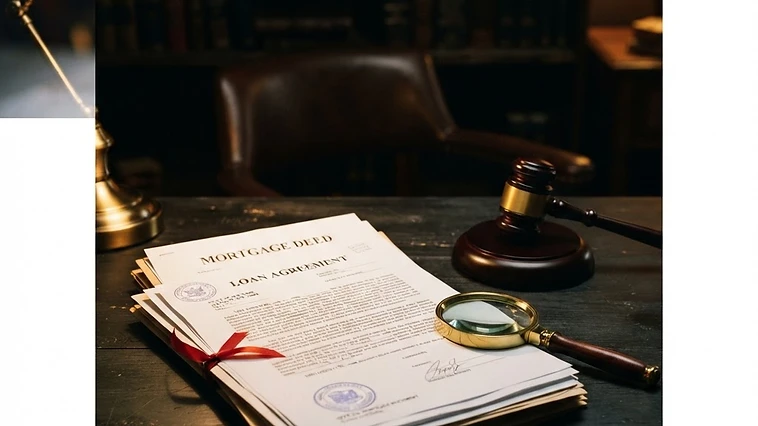
Disclaimer: The following article is for educational purposes only and does not constitute legal advice. If you are facing foreclosure, please consult with a qualified attorney to discuss your specific situation.
For homeowners struggling to keep up with monthly payments, the threat of losing a home is one of the most stressful experiences imaginable. Unfortunately, the nightmare is often compounded by the very institutions tasked with managing your loan. Mortgage servicers—the companies that collect your payments and handle loss mitigation—frequently make catastrophic errors, violate federal laws, and engage in deceptive practices that push vulnerable families closer to the brink.
Recent developments in the legal and regulatory landscape highlight just how pervasive these issues remain. In late June 2026, federal watchdogs and the highest courts in the nation issued critical actions and rulings that directly impact homeowner rights. From the Consumer Financial Protection Bureau (CFPB) cracking down on repeat offenders for illegal foreclosure actions to the U.S. Supreme Court weighing in on property tax foreclosures, the landscape of foreclosure defense is rapidly evolving.
If you are behind on payments or actively fighting a foreclosure, understanding these recent events is crucial. Knowledge is your first line of defense against mortgage fraud, bank fraud, and servicing abuses.
The Latest CFPB Crackdown on Mortgage Servicing Abuses
Mortgage servicers are legally obligated to follow strict procedures when a homeowner falls behind on payments. However, enforcement actions frequently reveal that these companies prioritize profits and speed over compliance and homeowner rights.
In a major development on June 25, 2026, the federal government announced a significant regulatory strike against a major industry player. According to the official release, the CFPB Takes Action Against Fay Servicing for Illegal Foreclosure Actions and Violating Law Enforcement Order. This enforcement action is a glaring reminder that servicing abuses are not a relic of the 2008 financial crisis; they are happening right now.
The CFPB's action against Fay Servicing centers on allegations that the company violated a previous law enforcement order and continued to engage in illegal foreclosure practices. When a government agency has to penalize a company multiple times for the same behavior, it underscores a systemic problem within the mortgage servicing industry. Servicers often fail to properly process loss mitigation applications, misapply homeowner payments, and charge unauthorized fees.
For homeowners, this news is both validating and alarming. It validates the suspicion that many borrowers have when their mortgage statements don't make sense or when their loan modification applications are mysteriously "lost" for the third time. However, it is alarming because it shows that even under federal scrutiny, servicers may still attempt to cut corners. If you are in foreclosure, you cannot assume that your servicer is acting legally or in good faith. You must actively audit their actions, demand proof, and hold them accountable for every fee and procedural step.
Understanding Dual Tracking and Illegal Foreclosure Tactics
One of the most egregious servicing abuses targeted by the CFPB and other regulatory bodies is a practice known as "dual tracking." Dual tracking occurs when a mortgage servicer simultaneously moves forward with the foreclosure process while also negotiating a loan modification or other loss mitigation option with the homeowner.
Federal law, specifically under the Real Estate Settlement Procedures Act (RESPA), strictly prohibits dual tracking. As outlined in legal resources regarding Errors and Abuses by Mortgage Servicers & Your Legal Rights, a servicer cannot officially begin the foreclosure process until mortgage payments are more than 120 days overdue. Furthermore, if a homeowner submits a complete loss mitigation application, the servicer must halt all foreclosure activities—including filing a complaint or conducting a foreclosure sale—until the application is fully evaluated and an appeals process is exhausted.
Despite these clear rules, illegal dual tracking remains a primary driver of wrongful foreclosures. Servicers often exploit communication gaps between their loss mitigation departments and their foreclosure attorneys. A homeowner might be on the phone with a representative who assures them that their modification is under review, only to receive a summons and complaint in the mail the very next day.
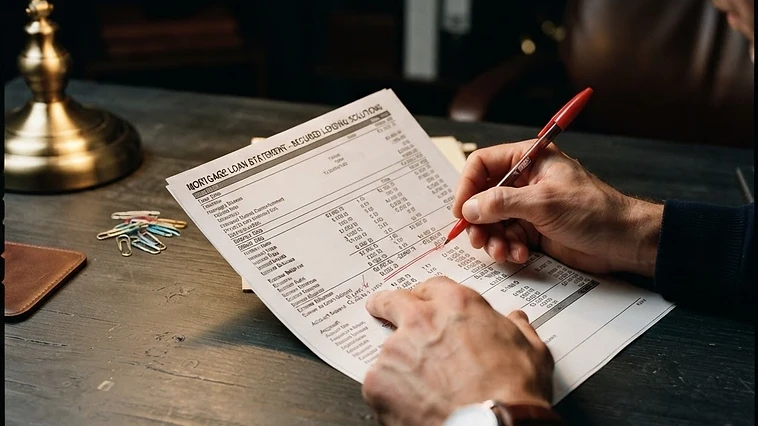 Close-up of hands reviewing mortgage servicing documents and foreclosure notices on a dark desk with a gold lamp.

To defend against dual tracking, homeowners must keep meticulous records. Every phone call must be logged with the date, time, and the representative's name. Every document sent to the servicer should be transmitted via certified mail with a return receipt requested. If a servicer violates the dual tracking prohibition, this violation can serve as a powerful substantive defense in a foreclosure lawsuit, potentially forcing the bank to withdraw the foreclosure action and start the process over legally.
Recent Supreme Court Rulings Impacting Property Rights
While the CFPB handles regulatory enforcement against mortgage servicers, the judicial system is also actively shaping the rights of homeowners. In late June 2026, the Supreme Court of the United States (SCOTUS) issued a ruling that has significant implications for property owners facing foreclosure, particularly concerning tax liens and the equity trapped in their homes.
Following up on the landmark 2023 decision in Tyler v. Hennepin County, which ruled that the government cannot seize a home for unpaid taxes and keep the excess equity, the Supreme Court recently issued an opinion in Pung v. Isabella County. As reported in SCOTUS, Foreclosure | JD Supra, this new ruling narrows the scope of post-Tyler damages, a decision closely watched by local governments, tax-lien investors, and property owners nationwide.
While Pung v. Isabella County specifically addresses tax foreclosures rather than traditional mortgage foreclosures, the underlying principle is vital for all homeowners: your equity is your property. In a traditional mortgage foreclosure, if your home is sold at a sheriff's sale or auction for more than what you owe the bank, you are legally entitled to those surplus funds.
Unfortunately, homeowners are often kept in the dark about surplus funds, and third-party scam artists frequently try to charge exorbitant fees to "recover" this money for them. Understanding the evolving legal landscape surrounding property rights and equity theft is essential. Whether you are fighting a bank or a county tax collector, the legal system requires you to actively assert your rights to protect your financial interests.
How to Spot Errors in Your Mortgage Statements and Chain of Title
Foreclosure defense is largely about evidence. To fight back effectively, you must learn how to dissect your mortgage documents and spot the errors, inconsistencies, and outright fraud that servicers often try to slip past the courts.
One of the most critical areas to investigate is the "chain of title" and the assignments of your mortgage. When you originally took out your loan, you signed a Promissory Note (the IOU) and a Mortgage or Deed of Trust (the security instrument that gives the bank the right to foreclose). Over the years, your loan was likely sold, securitized into a trust, and transferred between multiple different financial institutions.
Every time the mortgage is transferred, an "Assignment of Mortgage" must be properly executed and recorded in your local county records. During the 2008 crisis, the industry was caught engaging in "robo-signing"—a form of bank fraud where employees forged signatures on thousands of assignments and affidavits a day without verifying the underlying information.
While the industry claims to have cleaned up its act, questionable assignments and robo-signing still surface in foreclosure cases today. Homeowners should scrutinize their county property records. Look for assignments that were recorded years after the loan was allegedly sold, assignments signed by individuals who claim to be officers of companies that no longer exist, or signatures that look drastically different across multiple documents.
Additionally, you must audit your monthly mortgage statements and payment history. Look for unexplained "corporate advances," inflated property inspection fees, or unauthorized force-placed insurance premiums. Servicers often pad the debt with these junk fees, making it artificially harder for a homeowner to reinstate the loan.
Defending Your Home: The Importance of Evidence and Discovery
If you are served with a foreclosure lawsuit, you cannot simply ignore it and hope it goes away. Failing to respond will result in a default judgment, allowing the bank to take your home with zero resistance. You must file a formal Answer with the court, raising your affirmative defenses and demanding that the plaintiff prove their case.
This is where the discovery process becomes your most powerful tool. Discovery is the formal legal process of demanding documents, records, and answers from the opposing party. In a foreclosure case, you have the right to demand the original, wet-ink Promissory Note. You have the right to demand the complete payment history, the pooling and servicing agreement (if your loan was securitized), and all communication logs regarding your account.
Before a lawsuit is even filed, you can utilize federal law to gather evidence. Under RESPA, you can send a Qualified Written Request (QWR) or a Notice of Error (NOE) to your mortgage servicer. The servicer is legally required to acknowledge your request within five days and provide a substantive response within 30 days. If they fail to comply, they are violating federal law, which can give you leverage in your defense.
Organizing this evidence is critical. A judge will not rule in your favor simply because you feel the bank treated you unfairly. You must present a clear, documented timeline showing exactly how the servicer violated the law, breached the contract, or failed to establish their legal standing to foreclose.
Why the Foreclosure Defense Survival Playbook Helps
Facing a multi-billion dollar bank and their team of lawyers can feel incredibly overwhelming, especially when you are already dealing with the financial stress of late payments. The legal system is complex, and mortgage servicers rely on the fact that most homeowners do not understand their rights or how to navigate court procedures.
This is exactly why the Foreclosure Defense Survival Playbook is an absolute necessity for any homeowner in distress. This comprehensive, 530-page educational resource is designed specifically to level the playing field. It breaks down complex legal jargon into plain, actionable language, teaching you exactly how to read your mortgage documents, spot servicing abuses, and identify breaks in the chain of title.
The Playbook guides you through the critical steps of evidence organization, showing you how to draft Qualified Written Requests, audit your payment history for illegal fees, and understand the mechanics of the discovery process. Whether you are trying to negotiate a loan modification, fighting a pro se litigation battle, or simply want to be an educated client for your attorney, this book provides the foundational knowledge you need to fight back against bank fraud and illegal foreclosure tactics.
Don't let a mortgage servicer steal your home through errors, dual tracking, or deceptive practices. Equip yourself with the knowledge to hold them accountable. Order the Foreclosure Defense Survival Playbook today and take the first step toward protecting your home and your family's financial future.

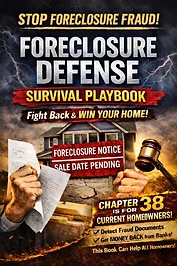
Order The Playbook
Get the Foreclosure Defense Survival Playbook
530 pages of structured, educational guidance covering mortgage documents, foreclosure procedures, evidence organization, and legal research — the same foundation this article draws from.