Foreclosure Defense
Recent CFPB Enforcement Actions and Foreclosure Trends: A Homeowner's Guide to Fighting Servicing Abuse
Recent federal enforcement actions highlight ongoing mortgage servicing abuses. Learn how to protect your home from illegal foreclosure practices and robo-signing.

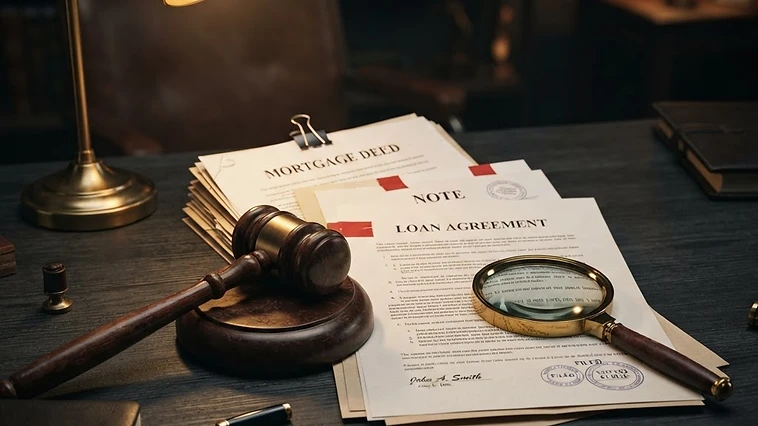
Disclaimer: The following article is for educational purposes only and does not constitute legal advice. If you are facing foreclosure, consult with a qualified attorney in your jurisdiction to understand your specific legal options.
The landscape of foreclosure defense is constantly shifting, and staying informed is a homeowner's best weapon against losing their property. In recent days, federal regulators have ramped up their scrutiny of mortgage servicers, issuing new enforcement actions that highlight a disturbing, ongoing trend: banks and servicers are still violating homeowner rights. From the latest market data to aggressive crackdowns by the Consumer Financial Protection Bureau (CFPB) and the Office of the Comptroller of the Currency (OCC), the evidence paints a clear picture. Homeowners must remain vigilant, understand their mortgage documents, and be prepared to hold their servicers accountable.
This article explores the most recent news regarding foreclosure trends, federal enforcement actions against abusive mortgage servicers, the persistent threat of robo-signing, and how homeowners can leverage the discovery process to defend their rights.
The Latest Foreclosure Market Trends and Data
Understanding the broader economic context of the housing market is crucial for any homeowner navigating financial distress. According to ATTOM’s Year-End 2024 U.S. Foreclosure Market Report, the real estate landscape is experiencing significant shifts. While some metrics in the U.S. FORECLOSURE ACTIVITY DECLINES IN 2024 report pointed to a temporary stabilization shaped by careful lending practices, the reality on the ground for many families remains precarious.
Economic pressures such as inflation, high interest rates, and soaring homeowners insurance costs are creating a pressure cooker environment. As noted in U.S. Foreclosure Rates 2026: Trends and Outlook, foreclosure filings are climbing across multiple states following the expiration of pandemic-era moratoriums and forbearance programs. When economic strain increases, mortgage servicers often become more aggressive in their collection and foreclosure efforts.
For homeowners, this data is a wake-up call. A rising tide of foreclosures often leads to overwhelmed mortgage servicing departments. When servicers are overwhelmed, they make mistakes—mistakes that can cost you your home if you do not know how to spot them and challenge them in court.
Recent Federal Enforcement Actions Against Mortgage Servicers
Federal watchdogs are actively pursuing enforcement actions against financial institutions that engage in deceptive or illegal practices. The CFPB and the OCC have recently made headlines by penalizing servicers for a variety of abuses.
For example, the CFPB Takes Action Against Fay Servicing for Illegal Foreclosure Actions and Violating Law Enforcement Order demonstrates that illegal foreclosure practices are not just a relic of the 2008 financial crisis. They are happening right now. Servicers are frequently penalized for "dual tracking"—a strictly prohibited practice where a servicer moves forward with foreclosure proceedings while simultaneously evaluating a homeowner for a loan modification or other loss mitigation options.
Furthermore, the OCC Announces Enforcement Actions for January 2025 and Updates to Enforcement Action Search Tool underscores the federal government's focus on holding bank boards of directors and management accountable for deficient practices. These enforcement actions often reveal systemic issues, such as improperly applied payments, inaccurate escrow accounting, and the illegal imposition of force-placed insurance. As highlighted in Mortgage Service Abuse & Force Placed Insurance, these abuses can leave lasting and devastating impacts on borrowers, artificially inflating the amount owed and pushing a struggling homeowner over the financial edge.
The Persistent Threat of Robo-Signing and Fraudulent Documents
Many people believe that "robo-signing" ended with the massive National Mortgage Settlement of 2012. Unfortunately, the mass-production of fraudulent legal documents remains a critical issue in foreclosure defense today.
Robo-signing occurs when bank employees or third-party contractors sign thousands of affidavits, assignments of mortgage, and other legal documents without verifying the accuracy of the information or without a notary present. As detailed in Robo-Signing: The Ultimate Guide to Foreclosure Fraud and Your Rights, these operations frequently involve fraudulent notarizations, which is a clear violation of state law.
Why does this matter to you? Because state and federal court rules have strict requirements for evidence submitted to a judge. Documents based on fraud and falsehood, like robo-signed affidavits, are legally inadmissible and taint the entire legal proceeding. If a bank is trying to foreclose on your home using an assignment of mortgage that was fabricated years after the fact just to give them legal standing to sue, you have the right to challenge that document.
Recent history shows that even the largest institutions are not immune to these practices. Past actions, such as when the CFPB, 47 States and D.C. Take Action Against JPMorgan Chase for Selling Bad Credit Card Debt and Robo-Signing Court Documents, prove that the assembly-line approach to legal paperwork is a systemic flaw in the financial industry. Homeowners must meticulously review every signature, date, and notary stamp on the documents filed against them.
Understanding Your Legal Rights Before and During Foreclosure
Knowledge is your primary defense. Before a bank can take your home, they must navigate a complex web of federal and state laws designed to protect consumers.
According to Homeowners' Legal Rights Before, During, and After Foreclosure, the foreclosure process cannot officially begin until mortgage payments are more than 120 days overdue. This federal rule, established under the Real Estate Settlement Procedures Act (RESPA), is designed to give homeowners a window of opportunity to apply for loss mitigation, such as a loan modification, short sale, or deed in lieu of foreclosure.
If you have missed a payment, the mortgage servicer must attempt to contact you by phone within 36 days to discuss your options. If they fail to do so, or if they ignore your complete loss mitigation application and proceed to file a foreclosure lawsuit anyway, they are violating federal law.
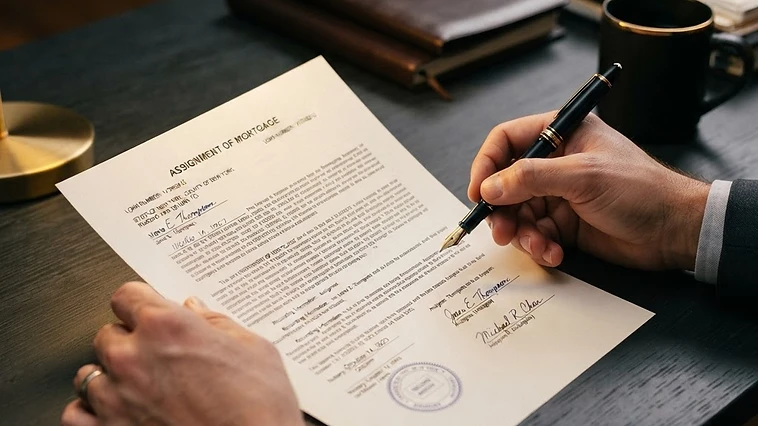 Close-up of hands reviewing mortgage assignment documents on a dark desk with gold lighting.

It is also vital to understand the difference between judicial and non-judicial foreclosure states. In judicial states (like New York or Florida), the lender must file a lawsuit and get a court order to foreclose, giving you a built-in legal forum to fight back. In non-judicial states (like California or Texas), the lender can foreclose without going to court by following statutory steps. However, even in non-judicial states, homeowners have the right to file their own lawsuit to halt an illegal foreclosure if they uncover fraud or servicing abuses.
The Power of Evidence and Discovery in Foreclosure Cases
If you find yourself in a foreclosure lawsuit, you are not required to simply accept the bank's claims as absolute truth. The legal system provides tools for defendants to demand proof. This process is known as "discovery."
During the discovery phase, you can force the bank to produce the evidence they claim gives them the right to foreclose. This includes demanding to see the original, wet-ink promissory note. During the securitization boom, notes were frequently lost, destroyed, or improperly endorsed as they were sold from one trust to another. If the bank cannot produce the original note, or if the chain of assignments is broken, they may lack the legal "standing" to foreclose.
You can also use tools like Interrogatories (written questions the bank must answer under oath) and Requests for Production of Documents to uncover servicing fraud. You can demand the complete payment history, the servicing logs (which detail every phone call and internal note regarding your account), and proof of how escrow payments were applied. Often, it is within these granular details that homeowners discover misapplied payments or illegal fees that prove the bank's default amount is entirely inaccurate.
Why the Foreclosure Defense Survival Playbook Helps
Navigating the treacherous waters of mortgage servicing abuse, robo-signing, and complex court procedures is overwhelming for anyone. The banks rely on this confusion. They expect homeowners to default, give up, and walk away without demanding proof or challenging fraudulent documents.
This is exactly why the Foreclosure Defense Survival Playbook is an indispensable resource. This comprehensive, 530-page educational book is designed specifically to level the playing field. It breaks down complex legal jargon into plain language, teaching you how to read and understand your mortgage documents, spot the telltale signs of robo-signing, and organize your evidence like a seasoned professional.
Whether you are trying to hold your servicer accountable for illegal dual tracking, preparing to demand your original note in discovery, or simply trying to understand your rights under federal law, the Playbook provides the step-by-step educational foundation you need. It empowers you to ask the right questions, demand the right documents, and understand the procedures that govern your case. Don't face the banks in the dark—order the Foreclosure Defense Survival Playbook today and arm yourself with the knowledge to protect your home.

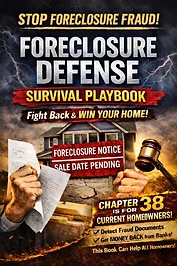
Order The Playbook
Get the Foreclosure Defense Survival Playbook
530 pages of structured, educational guidance covering mortgage documents, foreclosure procedures, evidence organization, and legal research — the same foundation this article draws from.