Mortgage Servicing
Recent CFPB Crackdowns on Mortgage Servicing 'Junk Fees' and Foreclosure Abuses
Recent CFPB supervisory highlights reveal ongoing mortgage servicing abuses, including illegal property inspection fees and loss mitigation violations.
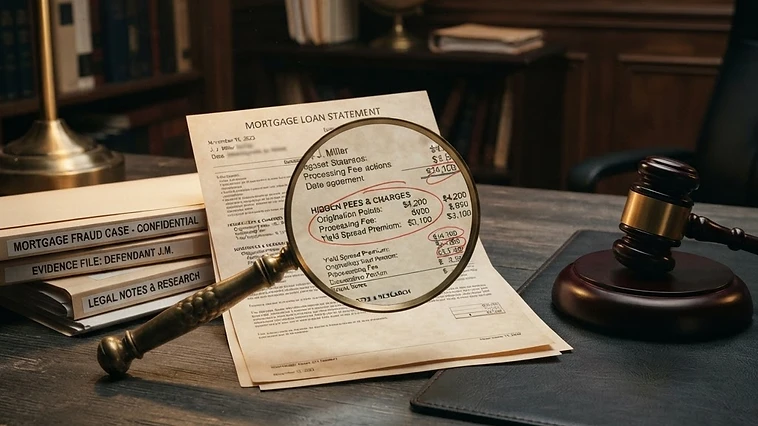
Understanding the Latest CFPB Enforcement Actions Against Mortgage Servicers
Disclaimer: This article is for educational purposes only and does not constitute legal advice. If you are facing foreclosure, consult with a qualified foreclosure defense attorney in your jurisdiction.
For homeowners struggling with late payments or facing the threat of foreclosure, dealing with mortgage servicers can often feel like an uphill battle. Recently, the Consumer Financial Protection Bureau (CFPB) released a special edition of its Supervisory Highlights report, focusing heavily on examinations of the residential mortgage servicing market. The findings highlight a disturbing trend of servicing abuses, including the assessment of illegal "junk fees" and violations of loss mitigation rules designed to protect homeowners.
Understanding these recent enforcement actions is crucial for homeowners. When you know what regulators are looking for, you can better identify if your servicer is violating your rights and use that information to strengthen your foreclosure defense.
The Rise of Mortgage Servicing "Junk Fees"
One of the primary focuses of the CFPB's recent report is the assessment of what the Bureau refers to as "junk fees." These are unnecessary, excessive, or illegal fees tacked onto a borrower's account, often when the borrower is already in financial distress.
According to the CFPB's findings, examiners discovered instances where mortgage servicers charged prohibited property inspection fees. When a homeowner falls behind on payments, servicers often order property inspections to ensure the home is occupied and maintained. However, there are strict rules regarding how often these inspections can occur and how much can be charged.
 A red pen and reading glasses resting on a financial ledger highlighting property inspection fees on a dark desk.

When servicers assess illegal or duplicative inspection fees, it artificially inflates the homeowner's default amount, making it even harder to catch up on late payments or qualify for a loan modification. If you are reviewing your mortgage statements or a reinstatement quote, you must scrutinize every fee. Unexplained or excessive property inspection fees, corporate advance fees, or vague "legal fees" could be a sign of servicing abuse.
Violations of Loss Mitigation Rules and Regulation X
Beyond junk fees, the CFPB also found that servicers are violating Regulation X's loss mitigation rules. Regulation X, which implements the Real Estate Settlement Procedures Act (RESPA), provides strict guidelines that servicers must follow when a homeowner applies for foreclosure alternatives, such as a loan modification.
Examiners noted that some servicers sent deceptive notices to homeowners regarding their loss mitigation options. In a foreclosure defense context, the loss mitigation process is often a critical battleground. Homeowners frequently complain of the "dual tracking" phenomenon—where a servicer moves forward with foreclosure proceedings while simultaneously negotiating a loan modification.
While federal rules were established to prevent dual tracking and ensure borrowers get a fair process to avoid foreclosure, the recent CFPB report indicates that servicers are still cutting corners. If your servicer has failed to properly evaluate your complete loss mitigation application, or if they have provided deceptive information about your options, this can form the basis of a strong defense or a RESPA counterclaim in your foreclosure case.
Escrow Mismanagement and RESPA Claims
In addition to the CFPB's regulatory findings, recent court rulings also highlight ongoing issues with mortgage servicers. For example, a recent federal court decision in Maryland denied a mortgage servicer's motion to dismiss a RESPA claim brought by homeowners over the mismanagement of escrow accounts.
In that case, the plaintiffs alleged that the servicer failed to pay property taxes from their escrow accounts in a timely manner. Escrow mismanagement is a common servicing error that can lead to devastating consequences for homeowners, including tax liens or artificially inflated monthly payments due to escrow shortages.
If your servicer fails to properly manage your escrow account, it can trigger a default that is entirely the servicer's fault. Documenting these errors through Qualified Written Requests (QWRs) or Notices of Error (NOEs) under RESPA is a vital step in holding the servicer accountable and building your defense.
Why the Foreclosure Defense Survival Playbook Helps
Navigating the complexities of mortgage servicing abuses, RESPA violations, and illegal junk fees requires knowledge and organization. The Foreclosure Defense Survival Playbook is a comprehensive 530-page educational resource designed specifically for homeowners facing these exact challenges.
This playbook helps you understand your mortgage documents, decode confusing servicer statements, and identify illegal fees that may be inflating your default amount. It provides step-by-step guidance on how to organize your evidence, draft effective Notices of Error, and understand the court procedures necessary to fight back against servicing abuses. By educating yourself on homeowner rights and legal research, you can level the playing field against aggressive banks and servicers. Don't face foreclosure unprepared—order the Foreclosure Defense Survival Playbook today and take control of your defense.


Order The Playbook
Get the Foreclosure Defense Survival Playbook
530 pages of structured, educational guidance covering mortgage documents, foreclosure procedures, evidence organization, and legal research — the same foundation this article draws from.