Foreclosure Defense
Recent CFPB Actions and Court Rulings on Dual Tracking and Mortgage Servicing Abuses
Recent enforcement actions and court petitions highlight ongoing mortgage servicing abuses like dual tracking and junk fees. Learn how these impact your foreclosure defense.
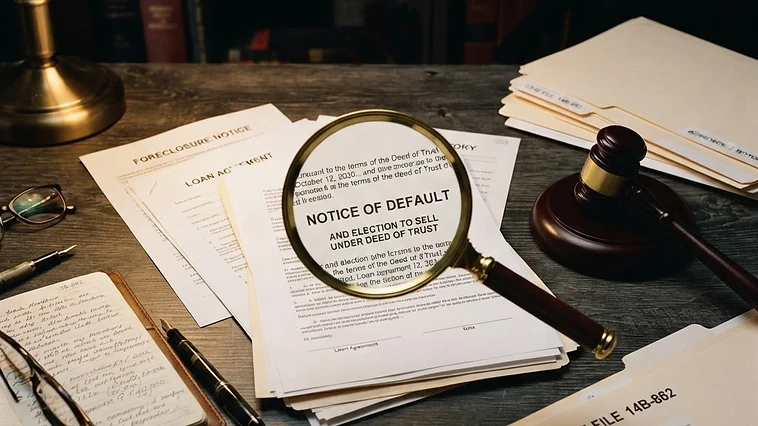
Disclaimer: The following article is for educational purposes only and does not constitute legal advice. If you are facing foreclosure, consult with a qualified attorney to understand your specific legal rights and options.
Facing foreclosure is one of the most stressful experiences a homeowner can endure. When you fall behind on your mortgage payments, it often feels like the bank holds all the cards. However, recent news, enforcement actions, and court rulings reveal that mortgage servicers frequently violate federal laws, engage in deceptive practices, and strip homeowners of their due process rights. Understanding these recent developments is crucial for any homeowner looking to mount a strong foreclosure defense.
In recent days, significant attention has been drawn to the illegal practice of "dual tracking," the assessment of exploitative "junk fees," and the failure of mortgage servicers to properly evaluate homeowners for loss mitigation. From the Consumer Financial Protection Bureau (CFPB) cracking down on servicing abuses to a critical petition reaching the Supreme Court of the United States, the landscape of homeowner rights is actively shifting. This article breaks down these recent events and explains how understanding mortgage fraud and servicing abuses can help you fight back.
The Rise of Dual Tracking and Servicing Abuses
One of the most egregious practices in the mortgage industry is known as "dual tracking." Dual tracking occurs when a mortgage servicer simultaneously evaluates a homeowner for a loan modification or other loss mitigation option while actively moving forward with the foreclosure process. This deceptive practice gives homeowners a false sense of security, leading them to believe their home is safe while the bank secretly prepares to sell it at auction.
Federal regulations, specifically under the Real Estate Settlement Procedures Act (RESPA) and enforced by the CFPB, strictly prohibit dual tracking. Under 12 C.F.R. § 1024.41, servicers are barred from initiating or advancing foreclosure proceedings when a complete loss mitigation application is under review. Despite these clear rules, recent reports and court filings indicate that some servicers continue to exploit loopholes or simply ignore the law.
When a servicer engages in dual tracking, they deprive the borrower of a fair opportunity to pursue alternatives to foreclosure. This not only violates federal law but also forms a powerful basis for a foreclosure defense. Homeowners who meticulously document their communications, application submissions, and the servicer's subsequent actions can often use these violations to halt foreclosure proceedings and force the bank to the negotiating table.
Recent CFPB Enforcement Actions Against Mortgage Servicers
The Consumer Financial Protection Bureau (CFPB) has recently ramped up its oversight of the mortgage servicing industry. In their latest Supervisory Highlights – Mortgage Servicing Edition, the CFPB noted that the residential mortgage servicing market exceeds $13 trillion in outstanding balances. With foreclosure starts rising, the agency is actively monitoring the market for emerging risks and penalizing servicers who fail to comply with the law.
Recent enforcement actions have targeted servicers for a variety of abuses. For example, the CFPB recently entered into a consent order with a major mortgage servicer to resolve allegations of improper foreclosure practices that violated the Consumer Financial Protection Act. These violations often include failing to properly process loss mitigation applications, providing inaccurate information to borrowers about their accounts, and wrongfully initiating foreclosure actions while borrowers were actively seeking assistance.
Furthermore, the CFPB has prioritized the elimination of exploitative illegal fees, commonly referred to as "junk fees." Examiners have found supervised mortgage servicers assessing unnecessary property inspection fees and improper late fees on homeowners who are already struggling financially. These junk fees artificially inflate the homeowner's debt, making it even harder to cure the default and save the home. By understanding these enforcement actions, homeowners can scrutinize their own mortgage statements for similar illegal charges and use them as leverage in their defense.
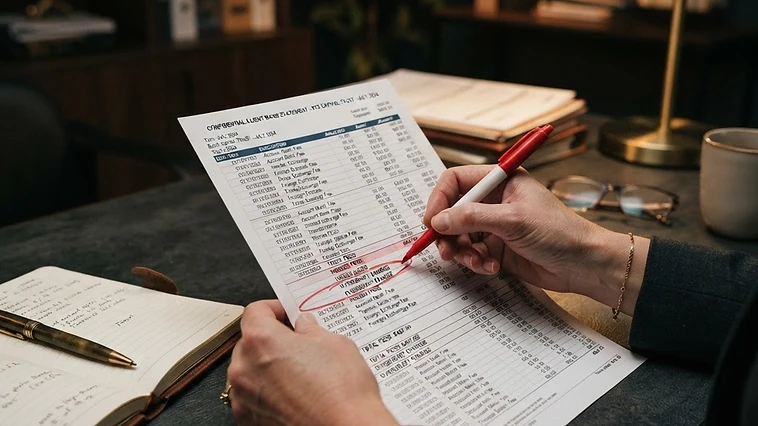 Close-up of hands reviewing mortgage statements for hidden fees on a dark desk

The Supreme Court Petition: Reese v. Select Portfolio Services
The fight against dual tracking and servicing abuses has recently reached the highest court in the land. A recent petition filed with the Supreme Court of the United States in the case of Reese v. Select Portfolio Services (SPS) highlights the devastating impact of these practices on vulnerable homeowners.
In this case, an elderly, incapacitated widow was allegedly denied due process after a split decision in the California appellate courts created a legal loophole allowing for the duplicitous practice of dual tracking. The petition argues that the homeowner was deprived of the right to present evidence of fraud by the mortgage lender, which ultimately led to the foreclosure of a family home owned for 60 years. The case underscores the direct conflict between certain state court rulings and existing federal statutes that are designed to protect homeowners from dual tracking.
This petition is a critical development for foreclosure defense. It highlights the ongoing struggle to enforce the California Homeowner's Bill of Rights and federal CFPB regulations in the face of aggressive banking litigation. For homeowners currently in foreclosure, the Reese case serves as a stark reminder of the importance of preserving evidence, understanding the appellate process, and aggressively asserting your rights under federal law before it is too late.
How Junk Fees and Improper Charges Accelerate Foreclosure
While dual tracking is a major focus of recent litigation, the assessment of junk fees remains a silent killer of homeownership. When a homeowner falls behind on payments, the mortgage servicer often begins assessing a barrage of fees. These can include late fees, property inspection fees, corporate advance fees, and attorney fees.
As highlighted by recent CFPB supervisory reports, many of these fees are either entirely unnecessary or improperly calculated. For instance, servicers have been caught charging for property inspections on homes that are clearly occupied and maintained, or assessing multiple late fees in violation of the loan agreement. These charges are added to the principal balance of the loan, rapidly increasing the amount required to reinstate the mortgage.
In a foreclosure defense context, challenging the accuracy of the debt is a fundamental strategy. If a bank cannot prove that the amount they are demanding is accurate and legally permissible, their foreclosure case can be severely weakened. Homeowners must learn to demand a detailed payment history, scrutinize every charge, and force the servicer to justify every fee assessed to the account. Uncovering a pattern of illegal junk fees can not only reduce the total amount owed but can also form the basis for counterclaims against the servicer for violating consumer protection laws.
Protecting Your Rights Under Federal Law
Homeowners facing foreclosure are not without rights. Federal laws, including RESPA, the Truth in Lending Act (TILA), and the Fair Debt Collection Practices Act (FDCPA), provide a robust framework for holding mortgage servicers accountable. However, these laws are complex, and banks rely on the fact that most homeowners do not understand how to use them.
To protect your rights, you must be proactive. This means sending Qualified Written Requests (QWRs) or Notices of Error (NOEs) to your servicer to demand information and dispute inaccurate charges. It means keeping a meticulous log of every phone call, saving every letter, and documenting every attempt you make to resolve the default. If a servicer violates the dual tracking prohibitions under 12 C.F.R. § 1024.41, you have the right to raise this as a defense in your foreclosure proceedings and potentially sue the servicer for damages.
Knowledge is your best defense. The banks have teams of lawyers dedicated to taking your home; you must equip yourself with the education necessary to level the playing field. Understanding the rules of evidence, how to conduct legal research, and how to navigate court procedures are essential skills for anyone attempting to save their home from foreclosure.
Why the Foreclosure Defense Survival Playbook Helps
Navigating the treacherous waters of foreclosure defense, dual tracking, and mortgage fraud is nearly impossible without the right map. The banks count on your confusion and fear. They expect you to give up when faced with complex legal jargon and aggressive litigation tactics. That is exactly why the Foreclosure Defense Survival Playbook is an indispensable resource for any homeowner fighting to save their property.
This comprehensive, 530-page educational book is designed specifically for homeowners who are behind on payments or already in foreclosure. It breaks down complex legal concepts into plain, understandable language. The Playbook teaches you how to dissect your mortgage documents, spot illegal junk fees, and identify evidence of robo-signing and servicing abuses. It provides step-by-step guidance on how to organize your evidence, conduct effective legal research, and understand the court procedures that the banks use against you.
Whether you are dealing with a servicer who is illegally dual tracking your loan, or you are trying to make sense of a convoluted payment history filled with improper charges, the Playbook gives you the knowledge you need to fight back effectively. Don't let the banks steamroll you and steal your home through deceptive practices. Empower yourself with the education required to hold them accountable. Order the Foreclosure Defense Survival Playbook today and take the first step toward taking control of your foreclosure defense.


Order The Playbook
Get the Foreclosure Defense Survival Playbook
530 pages of structured, educational guidance covering mortgage documents, foreclosure procedures, evidence organization, and legal research — the same foundation this article draws from.