Artificial Intelligence
Using AI for Pro Se Legal Research Responsibly
How pro se litigants can use AI to organize a case and research questions — while verifying every citation, rule, and fact before relying on it.

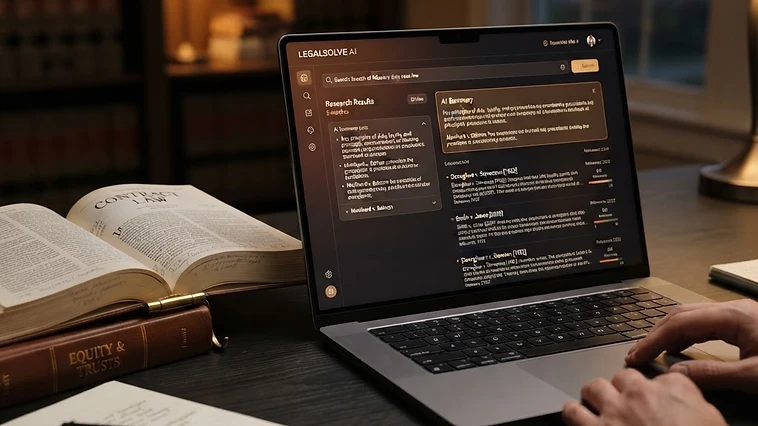
Artificial intelligence has become a practical tool for homeowners and pro se litigants who must organize large document files, build timelines, and research questions about their mortgage or foreclosure case. Used responsibly, AI can reduce the hours spent on mechanical tasks and help clarify complex material. Used carelessly, it can produce confident-sounding errors that create real risk.
This guide explains how pro se litigants can use AI for legal research responsibly — what AI does well, where it fails, and how to verify every result before relying on it.
What AI Does Well in Legal Research
AI is most useful for tasks that involve organizing, summarizing, and comparing large amounts of text. For a homeowner working through a thick mortgage file, that includes:
- Organizing facts and building timelines. AI can help assemble a chronological summary from scattered documents, notices, and correspondence.
- Summarizing documents. AI can produce concise summaries of lengthy records so you can decide which deserve closer review.
- Developing research questions. AI can help you frame the questions worth investigating and identify which documents might answer them.
- Comparing passages. AI can help you compare names, dates, and terms across multiple documents to spot inconsistencies.
- Improving clarity. AI can help tighten a first draft of a timeline, a factual summary, or a list of questions.
A laptop screen displaying an AI legal research interface with case citations and document summaries beside open law books
Where AI Fails
AI does not know whether a citation is real, whether a statute is current, or whether a deadline applies to your case. It can — and does — produce plausible-sounding references that do not exist, statutes that have been amended, and legal conclusions that do not match the governing law.
- AI cannot determine that a document is fraudulent. An inconsistency is a question, not a conclusion.
- AI cannot confirm that a case is still good law. Cases are overturned, distinguished, and superseded.
- AI cannot verify a deadline. Court rules and statutes control deadlines, and they vary by jurisdiction.
- AI cannot replace a licensed attorney. It cannot provide legal advice or representation.
A Responsible Verification Process
The single most important habit when using AI for legal research is verification. Treat every output as a draft that must be checked against an authoritative source.
- Verify every citation. Confirm that a case exists, that it says what the AI claims, and that it has not been overturned or distinguished.
- Verify every statute and court rule. Check the current, official version and confirm the jurisdiction and effective date.
- Verify every deadline. Confirm deadlines against the controlling court rules and any applicable order in your case.
- Verify every factual statement. Confirm that any fact AI attributes to your documents actually appears in those documents.
- Keep a source log. Record where each verified item came from so you can retrace your steps.
 An open legal case reporter book with a highlighter marking a citation and a notepad of verified references

Practical Ways to Use AI Safely
- Use AI to generate questions and drafts, not final answers.
- Use AI to summarize, but confirm the summary against the source documents.
- Use AI to suggest authorities, then verify each authority independently before filing or relying on it.
- Never copy AI-generated text into a filing without reading, checking, and editing it.
Education Is Not Representation
AI can make a pro se litigant more organized and better prepared, but it does not change the fundamental limits of self-representation. Foreclosure involves legal rights, legal procedures, and legal deadlines. If you are facing foreclosure, one of the most important steps you can take is to consult a qualified attorney licensed in your jurisdiction as early as possible.
The better organized and informed you are, the more productive that consultation will be — and the more effectively a professional can help you.

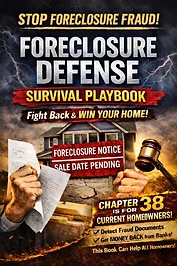
Order The Playbook
Get the Foreclosure Defense Survival Playbook
530 pages of structured, educational guidance covering mortgage documents, foreclosure procedures, evidence organization, and legal research — the same foundation this article draws from.